
Pierce County's DSHS-Authorized Home Modification Contractor
We're one of the only remodeling contractors in the South Sound authorized to deliver DSHS-funded accessibility adaptations — which means we handle the modification work and the Medicaid-waiver coordination so you don't have to navigate it alone.
What DSHS Home Modifications Actually Cover
Most families don't realize how much Washington's DSHS program can fund until they're already deep in the process. As an authorized provider, we work directly within the DSHS and Medicaid-waiver system to deliver modifications that help clients stay safely in their own homes — whether that means aging in place, recovering from injury, or accommodating a permanent disability.
Covered modifications we install:
- Wheelchair ramps and exterior access improvements
- Doorway widening to meet ADA-standard clearances
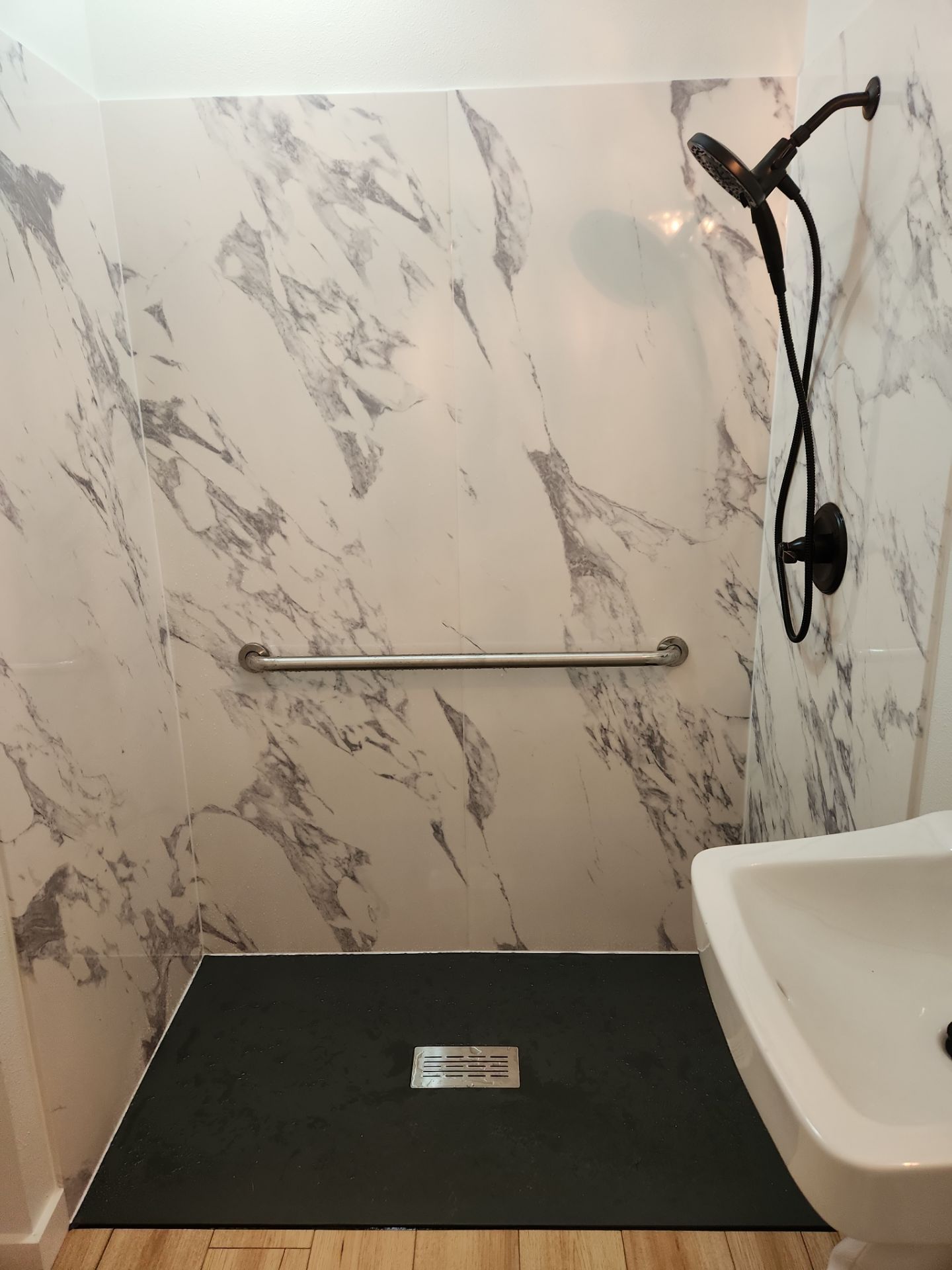
- Roll-in showers and accessible bathroom conversions
- Grab bars, handrails, and transfer supports
- Threshold removal and step elimination
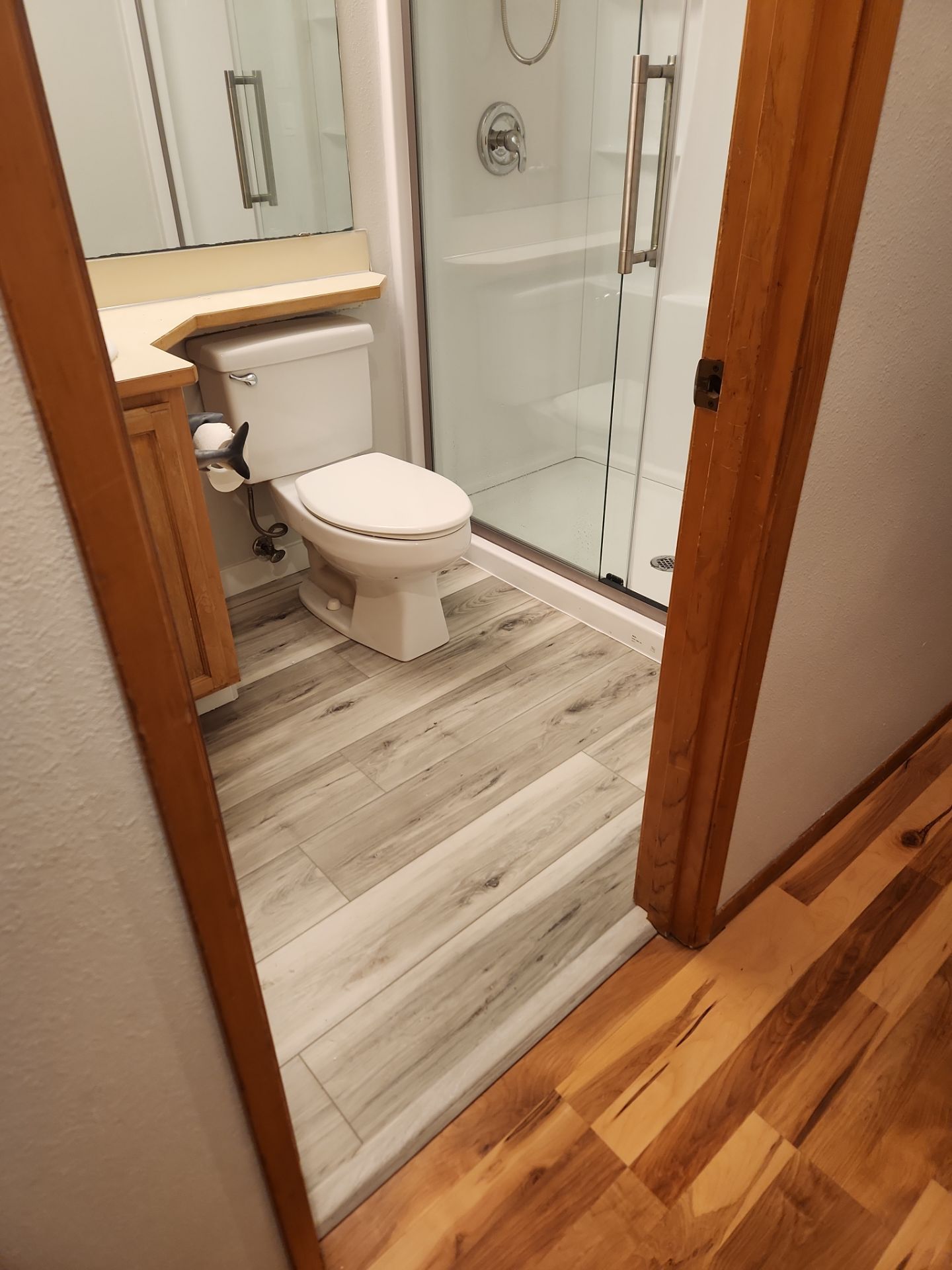
- Non-slip flooring and surface transitions
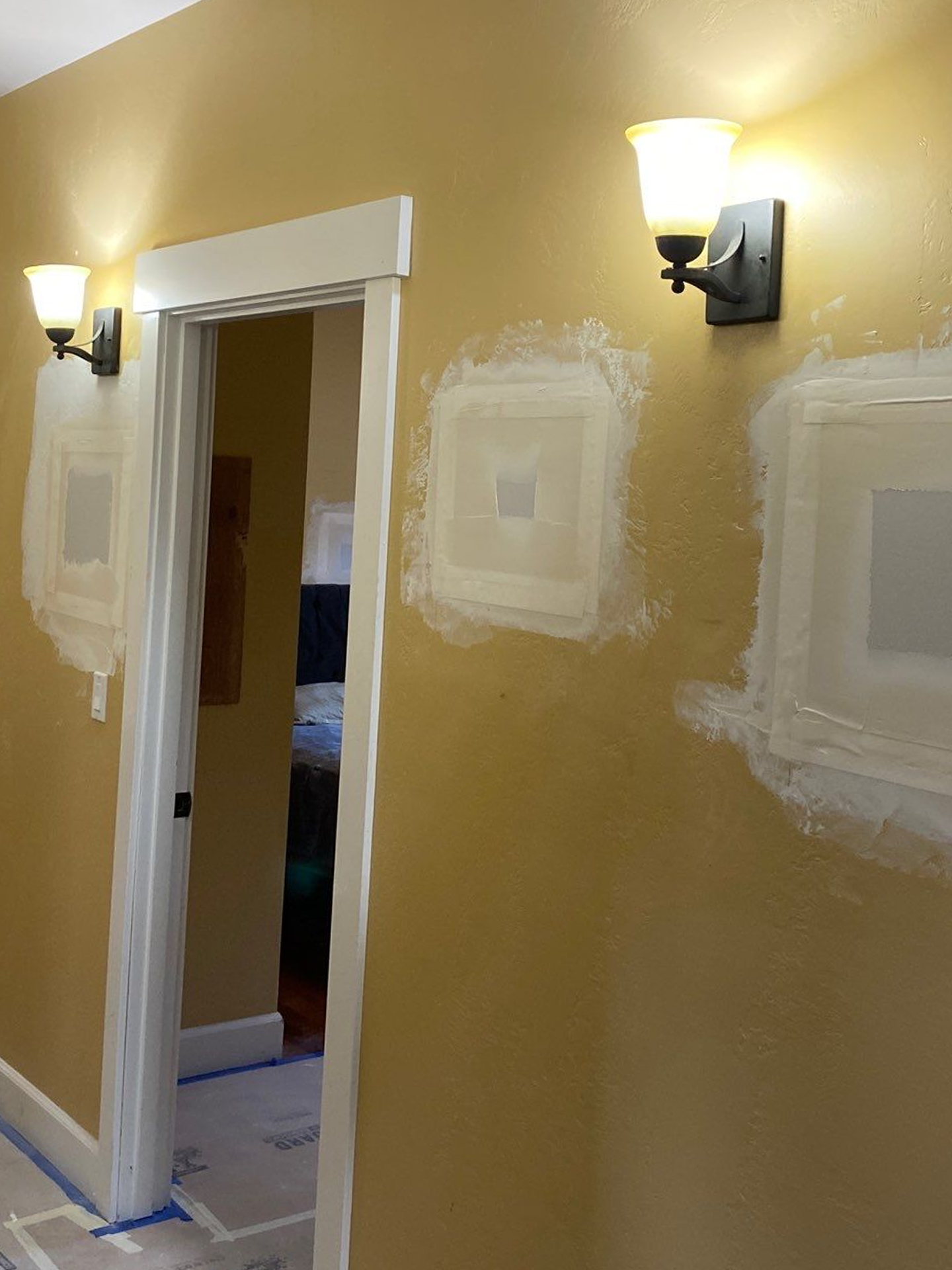
- Wall hardening and wall padding for impact protection and fall safety
- Environmental adaptations for sensory and health-related needs
Authorization status matters here. Not every contractor can bill through DSHS — and working with one who isn't authorized can disqualify your funding. Banah is fully authorized, bonded, and licensed in Washington State.
Who We Work With
The clients we serve through this program are navigating some of the most consequential decisions of their lives — whether to stay in a home they love, how to support an aging parent, or how to make a space functional after a diagnosis. We take that seriously.
We regularly work with:
- Adults 65+ pursuing aging-in-place modifications to avoid assisted living
- Individuals with mobility, sensory, or cognitive disabilities
- Veterans and military families navigating VA or DSHS benefit coordination
- Adult children managing modifications for a parent's home
- Case managers and DSHS service coordinators seeking a reliable installation partner
If you're a JBLM veteran or military family member, we offer a military discount on all services — including accessibility work that falls outside DSHS funding scope.
How the DSHS Modification Process Works
The process is more structured than a standard remodel — and we guide clients through every step.
DSHS Authorization Confirmed
Your DSHS case manager issues a service authorization for the modifications needed. If you're not yet connected with a case manager, we can point you toward the right starting point.
Step 01
Home Assessment
We visit the home to assess existing conditions, measure for modifications, and document the space with photos through CompanyCam. You receive a complete visual record of the pre-modification baseline.
Step 02
Scope Agreement
We prepare a detailed scope aligned to the DSHS authorization. No upselling, no commission-based product recommendations — only what the authorization covers and what the home actually needs.
Step 03
Installation
Our team completes the work on a timeline coordinated with you and your case manager. Daily photo documentation keeps everyone informed throughout.
Step 04
Final Documentation & Closeout
We provide before/after documentation, completion records, and any materials needed for DSHS billing closeout. The paperwork doesn't fall on you.
Step 05
Why Pierce County Families Choose Banah for Accessibility Work
There's almost no local competition for DSHS-authorized modification contractors who also operate as full-service remodelers. Most accessibility work in this region is handled by occupational therapy supply vendors or national franchise operators who subcontract the actual installation. We do the work ourselves, with our own team of approximately eight specialists who have experience across every trade the modifications require.
- DSHS-authorized provider status — verified, not claimed
- Veteran-owned business with military discount for qualifying clients
- CompanyCam photo documentation on every project, every day
- No commission-based upsells — scope is driven by need and authorization
- Licensed, bonded, and insured in Washington State
- Local team with deep knowledge of Pierce County's older housing stock
Pierce County's housing inventory skews old in many of its communities, and thousands of homes predate modern accessibility standards. That means doorways are narrow, thresholds are high, and bathrooms weren't designed with accessibility in mind. We know what it takes to retrofit these homes correctly.
Explore Specific Modification Services
Every home and every client is different. These pages go deeper on the most common modifications we install — including funding guidance, what the installation involves, and what to expect from the process.
- Wheelchair ramps built for Pierce County's terrain and climateDoorway widening to ADA-standard clearances
- Roll-in showers designed for full mobility access
- Aging-in-place modifications for long-term independence
- DSHS and Medicaid-waiver funding — how it works and how to access it
Frequently Asked Questions About DSHS Home Modifications in Pierce County
What makes Banah a DSHS-authorized provider, and why does that matter?
DSHS authorization means Washington State has vetted and approved us to install home modifications funded through the DSHS program and associated Medicaid waivers. If a contractor isn't authorized, the work they complete may not qualify for reimbursement — which can leave clients responsible for costs the program was supposed to cover. Our authorization is current and verifiable.
Can DSHS fund modifications in a home I rent, not own?
In many cases, yes. DSHS can fund modifications in rental properties with landlord consent. The specifics depend on your service authorization and the type of modification. We can walk through the details with you during the assessment.
What if my modification needs go beyond what DSHS will fund?
We handle that regularly. Some clients use DSHS funding for the core accessibility work and pay out of pocket — or use financing — for additional improvements. Because we're a full-service remodeling contractor, we can scope both the authorized work and any additional modifications in a single project.
How long does a typical accessibility modification project take?
Most single-modification projects — a ramp, a roll-in shower conversion, doorway widening — are completed within one to three days once materials are on-site and the authorization is in place. Multi-modification projects or those involving structural changes take longer. We provide a project-specific timeline during the assessment.
Do you work with case managers and DSHS service coordinators directly?
Yes. We're experienced working alongside DSHS case managers and welcome direct communication with coordinators throughout the project. If you're a case manager looking to establish a reliable installation partner in the Tacoma area, contact us directly.
Is a military discount available for accessibility modifications?
It is. Banah is a veteran-owned business, and we extend a military discount to active-duty service members, veterans, and military families — including on accessibility work that falls outside DSHS authorization scope. JBLM families are welcome to ask about this when they reach out.
Request an Accessibility Assessment
If you or a family member needs home modifications — whether through DSHS funding or privately — the right first step is a home assessment. We'll document existing conditions, identify what's needed, and give you a clear picture of scope, timeline, and cost before any work begins.